

Journals
More




Recommendations
More- All
- Physical Sciences and Engineering
- Life Sciences
- Health Sciences
- Humanity and Social Sciences
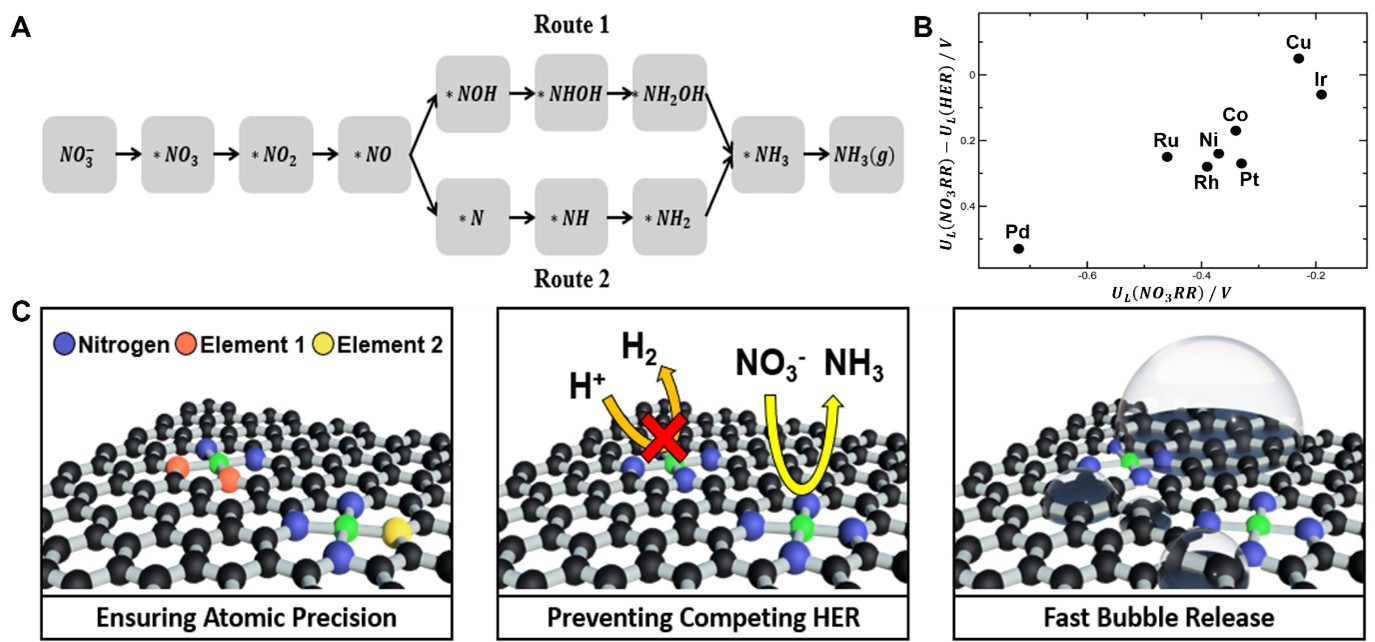
Cu-Based Atomic Catalysts for the Electrochemical Hydrogenation of Nitrate to Ammonia
Hyeong Bin Park, Haneul Jindoi: 10.53941/matsus.2025.100014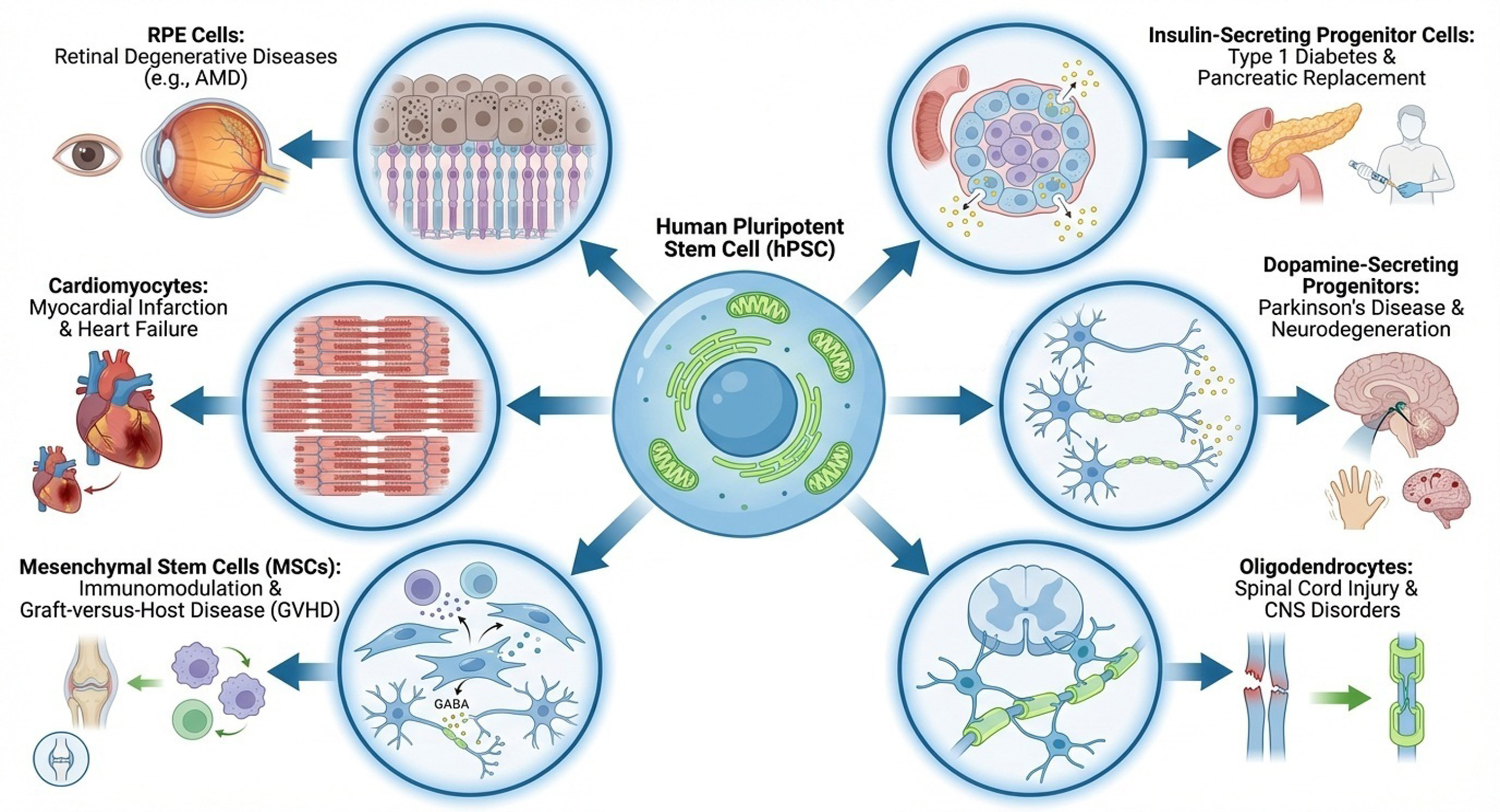
Overview of Representative Clinical Trials Using Human Pluripotent Stem Cell-Differentiated Cells
Akon Higuchi, Ting Wang, Xin Kang, Zeyu Tian, Tzu-Cheng Sungdoi: 10.53941/rmd.2025.100020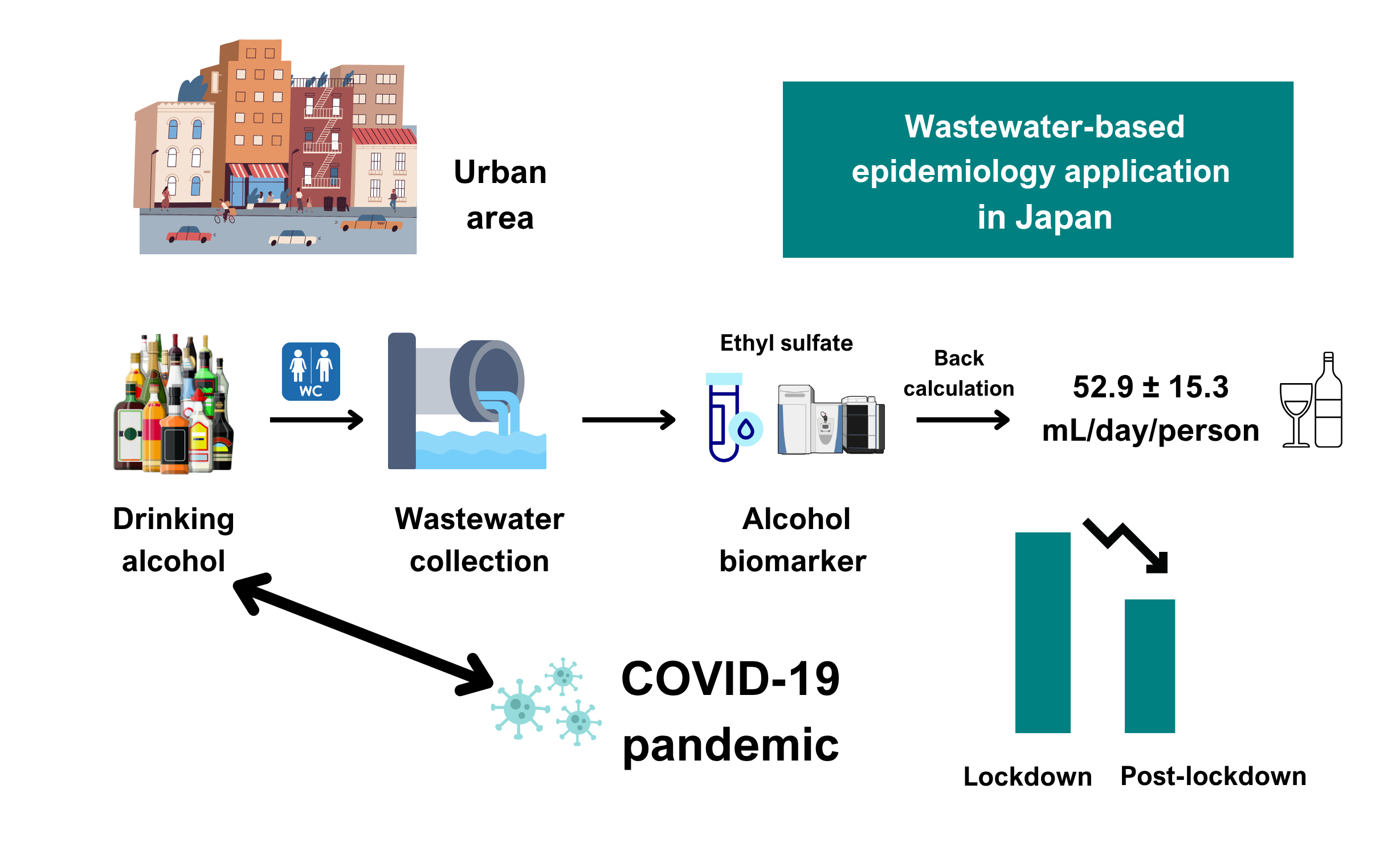
Changes in Alcohol Consumption Behaviour in a Large Population of Japan during the COVID-19 Pandemic
Hieu K. T. Ngo, Quyen Thi Thuy Do, Qiuda Zheng, Otaki Masahiro, Phong K. Thaidoi: 10.53941/ges.2025.100015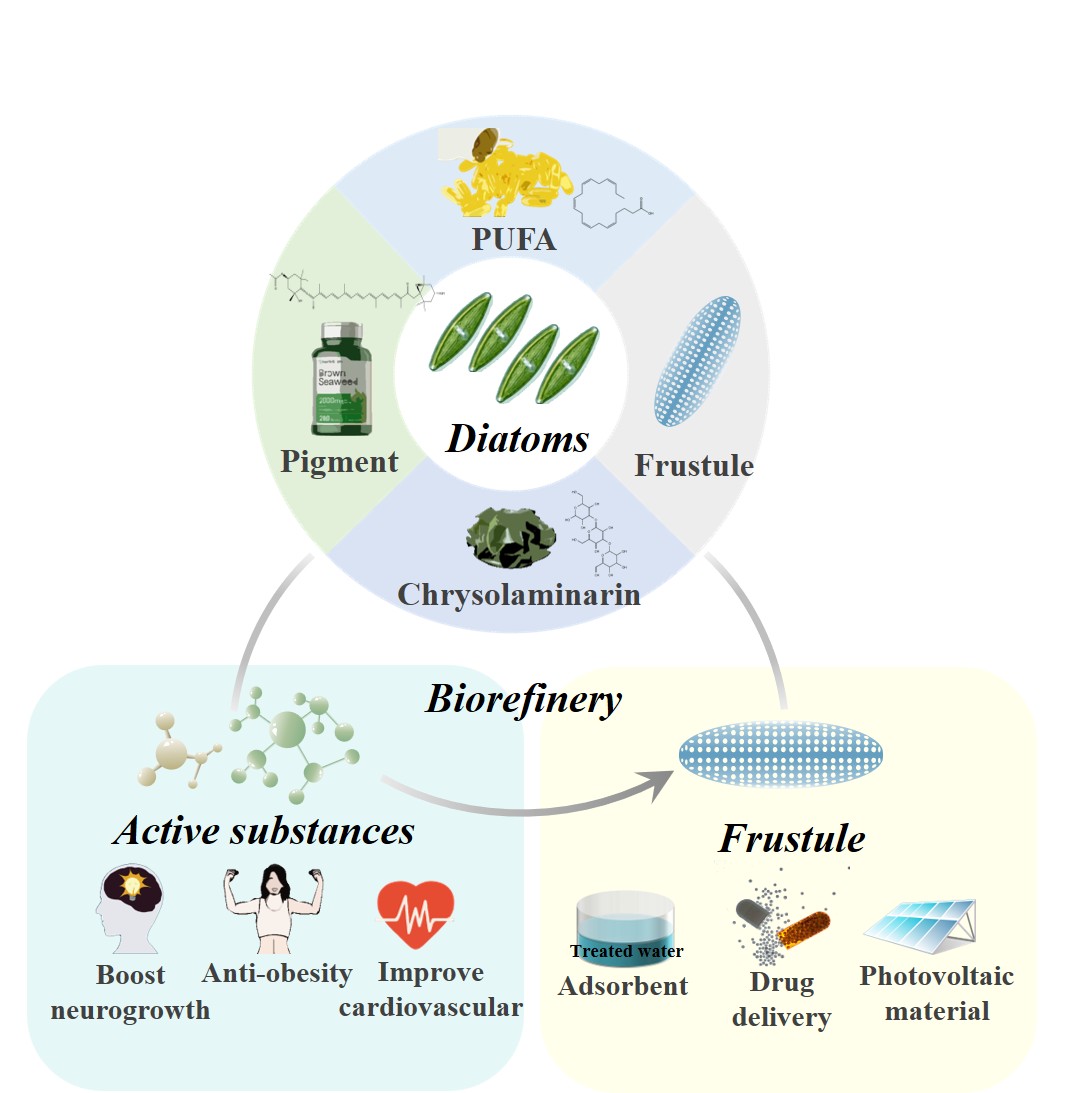
Diatom Biorefinery: Comprehensive Resource Utilization and Economic Feasibility for Sustainable Development
Qinyun Xu, Keli Yang, Laodong Guo, Shikai Wangdoi: 10.53941/sen.2025.100003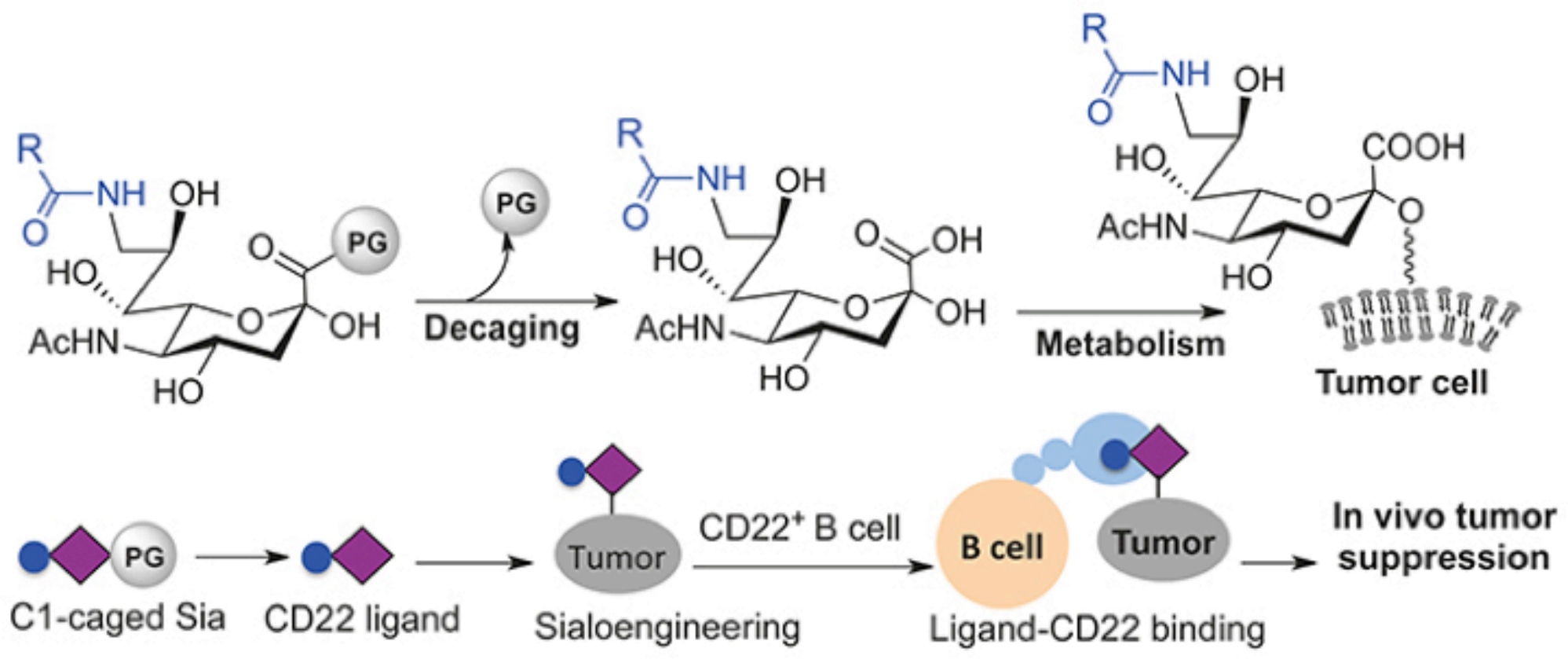 A Sialic Acid-Caged Generic Platform for Sialoengineering of Tumors with Artificial Immuno-LigandShuo Zhang, Huiling Dong, Shixiong Wen, Zejing Lin, Xuanjun Wu, Jiahuai Han, Shoufa Handoi: 10.53941/hm.2025.100023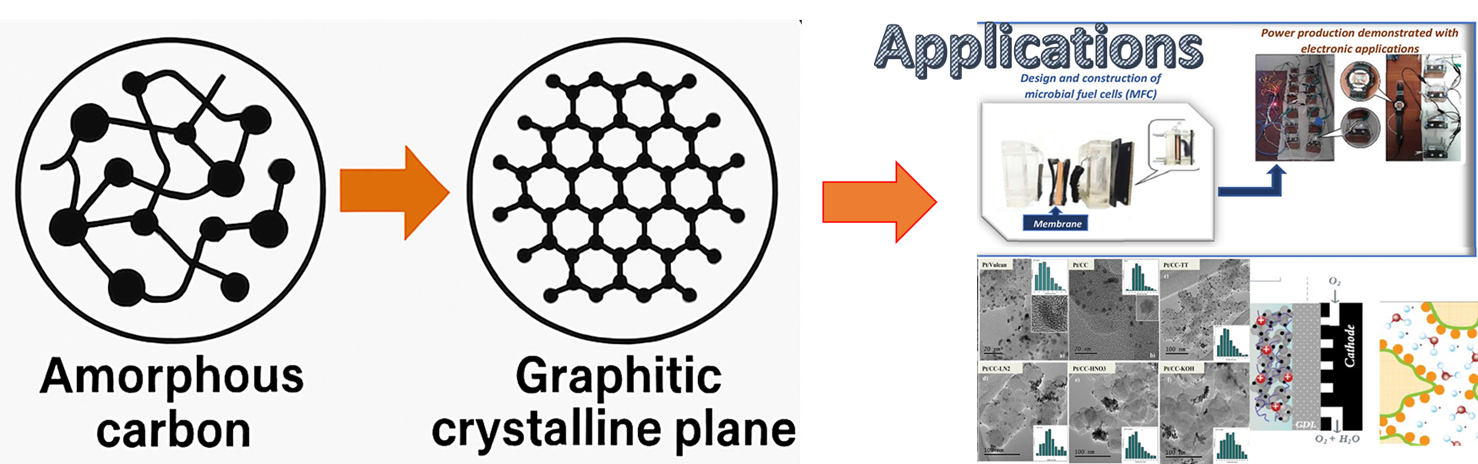
An Overview of the Transition from Amorphous Carbon to an Ordered Graphitic Crystalline Plane for Applications
Adriana Montiel-García, Manoj Kumar Srinivasan, Ignacio Avila Aguilar, Wilgince Apollon, Arun Thirumurugan, Sathish-Kumar Kamarajdoi: 10.53941/matsus.2025.100012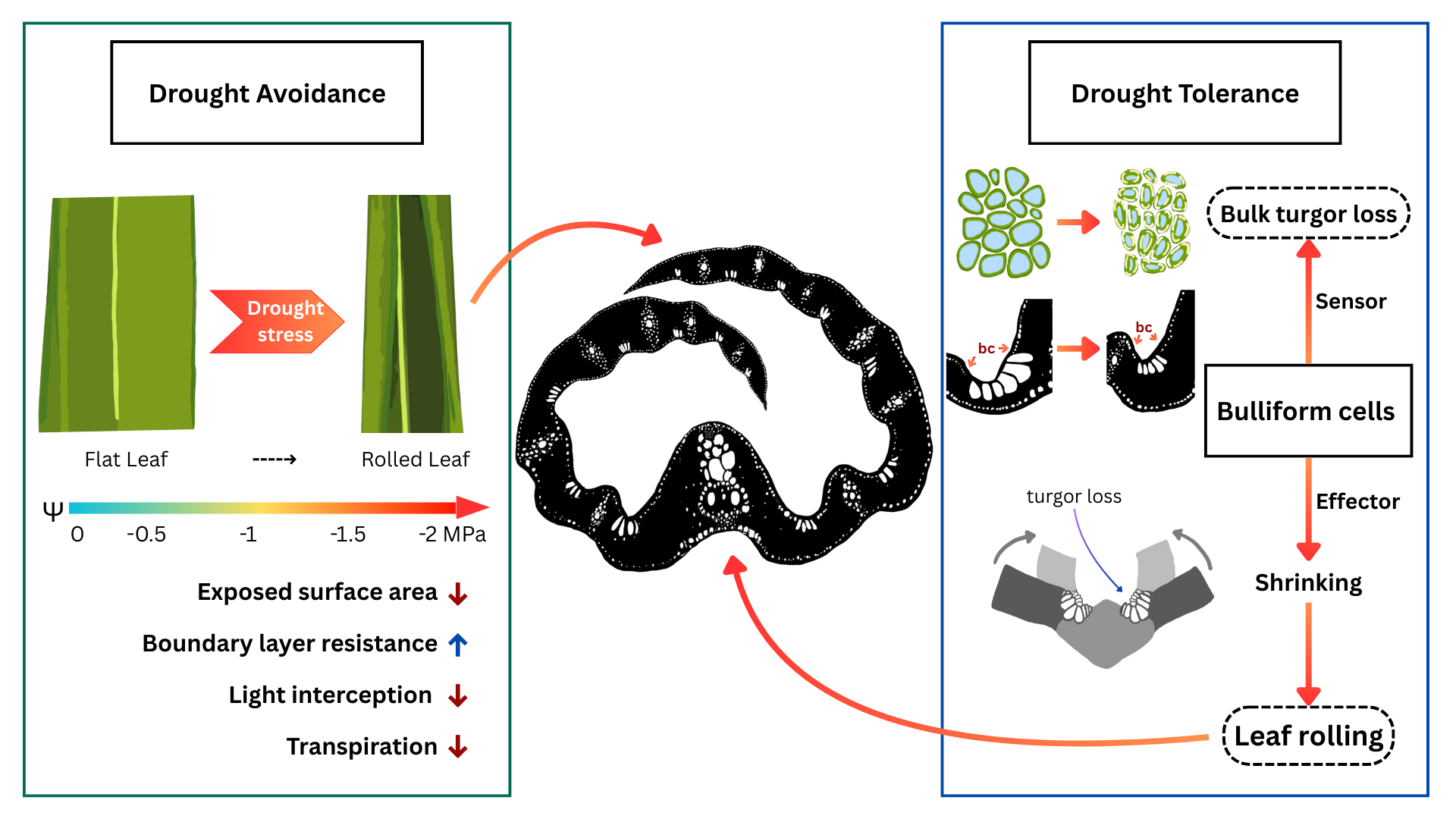
Does Leaf Rolling Serve as a Phenotype Index for Drought Tolerance in Grasses? A Review
Natthamon Chandarak, Xiaoxiao Wang, Shuyuan Liu, Dongliang Xiongdoi: 10.53941/plantecophys.2025.100012
Morphological Transformation of NiCoMoSeOx from Nanosheets to Nanorods for Enhanced Oxygen Evolution
Jianbin Luo, Xiaofei Long, Biao Huang, Lei Huang, Jing Cao, Qingdian Yan, Mao Wu, Ming Zhaodoi: 10.53941/mi.2025.100029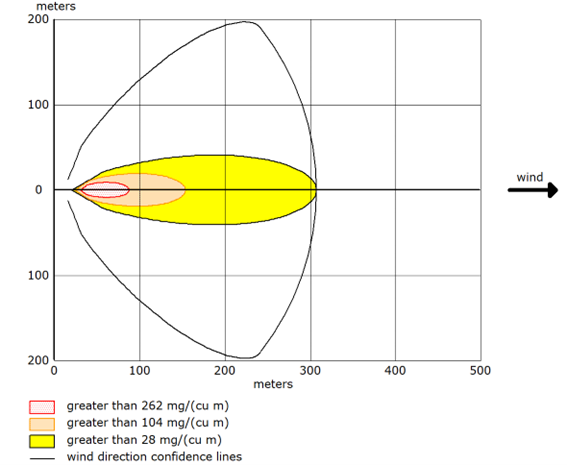
The Analysis of Real Accidents as a Didactic Tool: The Case of a Toxic Cloud
Juan A. Vilchez, Oriol Casal, Eulàlia Planas, Joaquim Casaldoi: 10.53941/see.2025.100010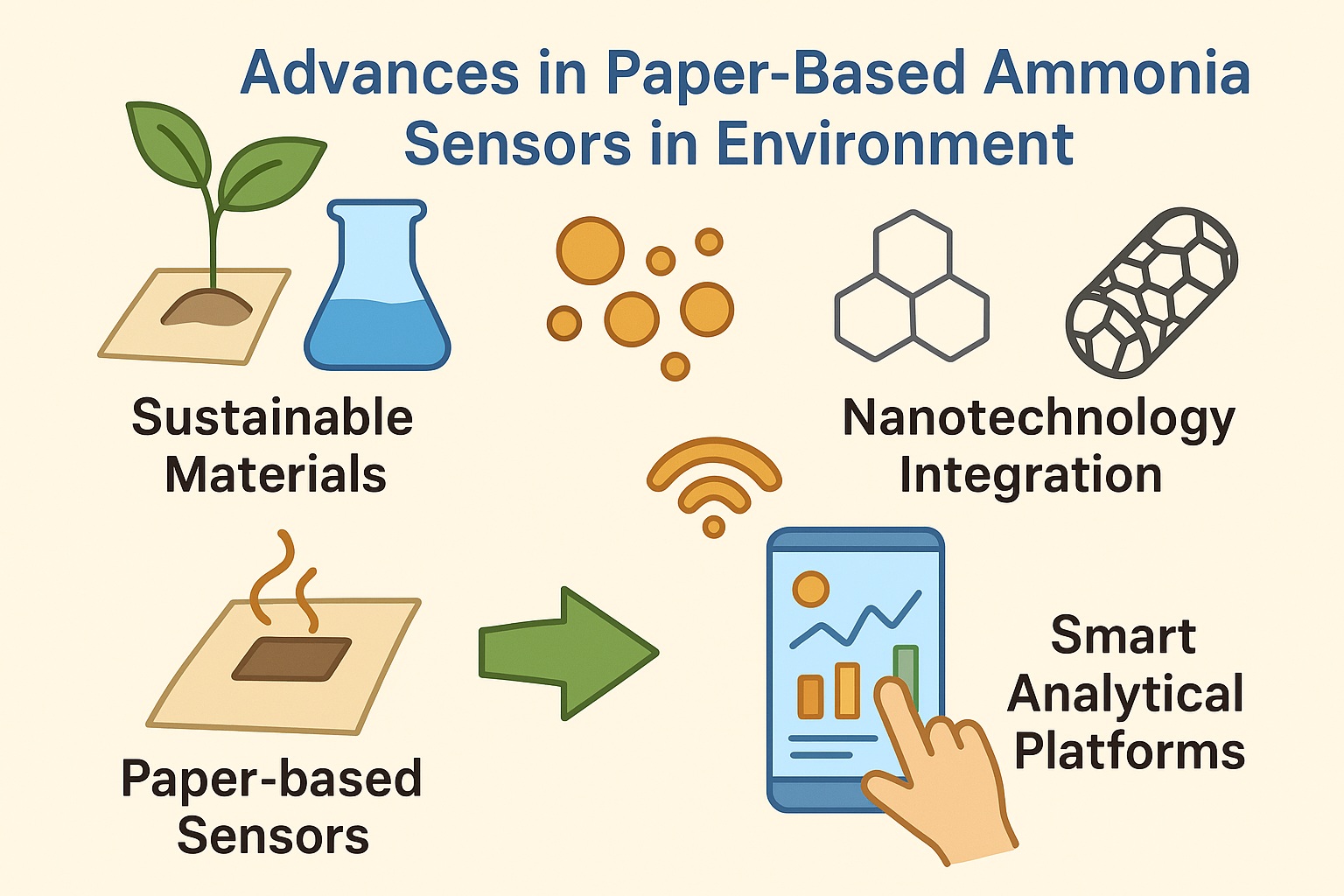
Advances in Paper-Based Ammonia Sensors in Environment: Sustainable Materials, Nanotechnology Integration, and Smart Analytical Platforms
Sharmi Ganguly, Joydip Sengupta, Chaudhery Mustansar Hussaindoi: 10.53941/eesus.2025.100010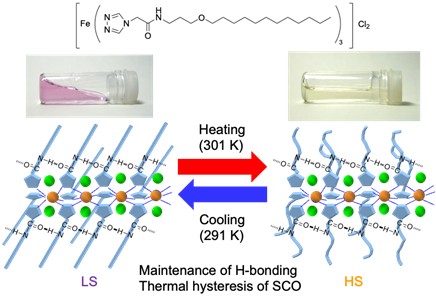 Self-Assembly of Hydrogen-Bonded Fibrous FeII Triazole Complexes and Their Spin Crossover Characteristics in Organic MediaKeita Kuroiwa, Yukari Jo, Nobuo Kimizukadoi: 10.53941/mi.2025.100015
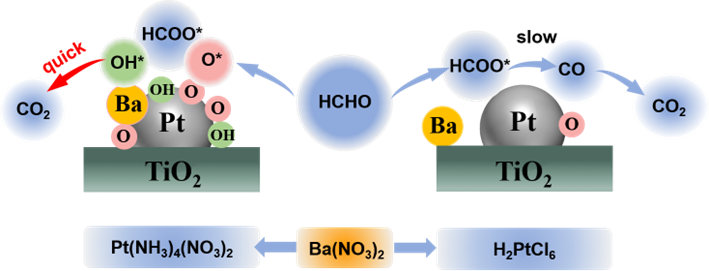 Ba-mediated Pt/TiO2 for Enhanced Low Temperature HCHO Oxidation: the Role of Pt PrecursorChenxuanzhi Ruan, Hongguo Gao, Xuejuan Zhao, Zelin Hua, Shenjie Lv, Shanshan Chen, Licheng Lidoi: 10.53941/see.2025.100002






Call For Papers
More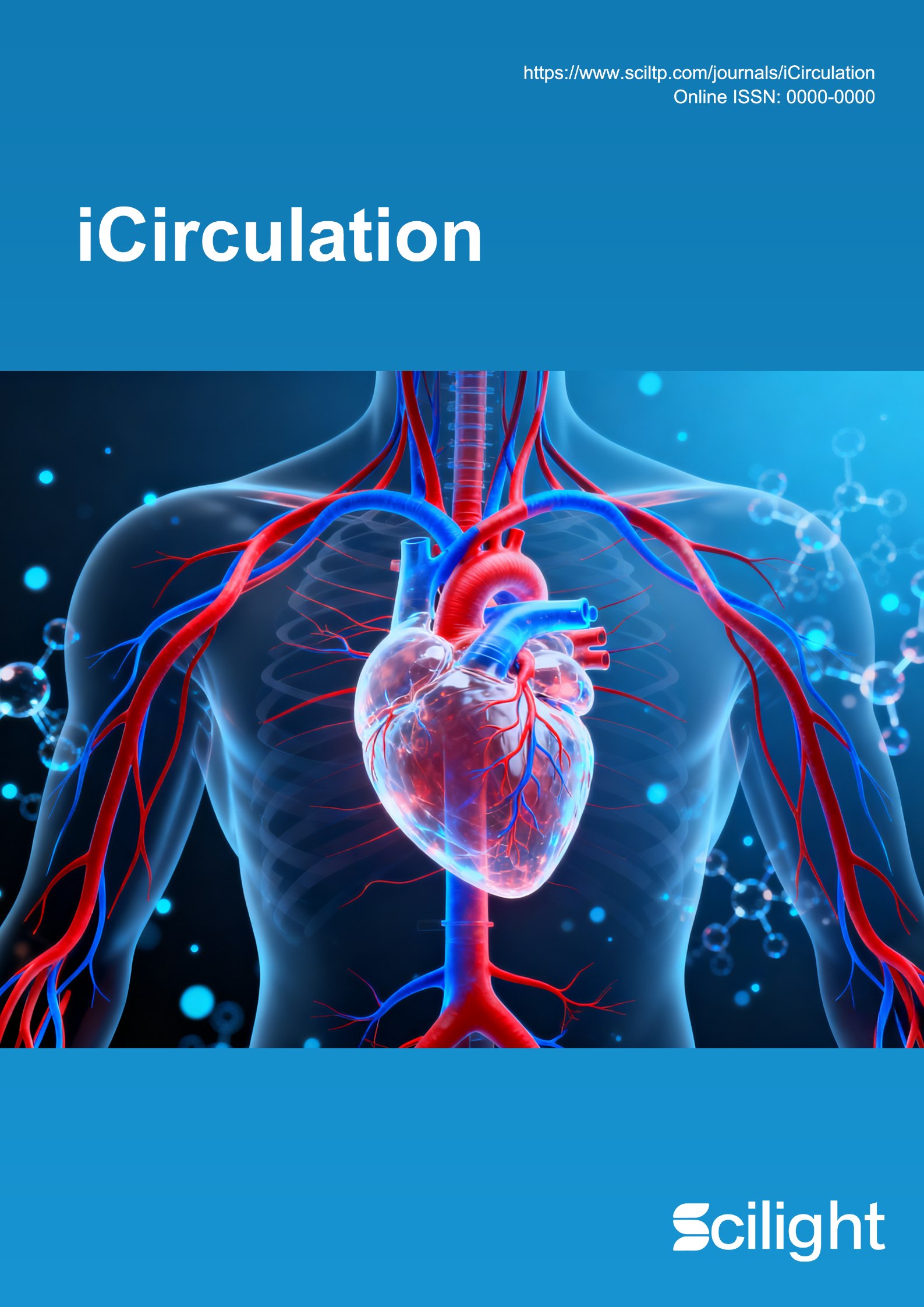
Inaugural Issue of iCirculation
iCirculation is a leading scientific forum for publishing transformative cardiovascular research that bridges foundational discovery, clinical innovation, and global population health. The journal aims to advance cardiovascular medicine by disseminating high-impact original work that shapes research paradigms, clinical practice, and public health policy. Reviews that reflect new advances of a particular area in the cardiovascular system and diseases are also welcome. The Aims and Scope of iCirculation are described on https://www.sciltp.com/journals/iCirculation/aimscope . If the submission is accepted following the peer review within the time frame of the publication of the Inaugural Issue, it will be included in the Inaugural Issue , to be published in March 2026 . ■ Distinguished Editorial Board The journal is guided by an international editorial board of leading cardiovascular experts, ensuring academic excellence and a visionary perspective. Founding board members include: Guo-Wei He – Editor-in-Chief, Academician of The National Academy of Medicine, France Gianni D. Angelini – Fellow of the Academy of Medical Sciences, UK Charalambos Antoniades – Fellow of the Academy of Medical Sciences, UK Wolfgang F. Graier – Member of the Academia Europaea Mario Gaudino – Expert of Weill Cornell Medicine, USA Daniel Loisance – Academician, Member of The National Academy of Medicine, France Arthur Weston – Fellow of the Academy of Medical Sciences, UK ■ Key Dates Submission Deadline for Inaugural Issue: January 31, 2026 Inaugural Issue Publication: March 2026 ■ Submission Instructions Authors are invited to submit their manuscripts through our online submission system. Please consult the Instruction for Authors before submission. Submission Link: https://sciflux.org/authors/submissions Journal Homepage: https://www.sciltp.com/journals/iCirculation Editorial Office Contact: iCirculation@sciltp.com Join iCirculation and contribute to shaping the future of cardiovascular research. Sincerely, iCirculation Editorial Office
iCirculation
Deadline: 31 Jan 2026Disease, Structure, Methods, and Drug Design
Dear Colleagues, We are delighted to announce the Topic Issue of Health and Metabolism (HM) , titled “ Disease, Structure, Methods, and Drug Design ”, and would like to sincerely invite you to contribute either a research article or a review article or a perspective article to this topic issue. This topic issue will focus on emerging advances and new perspectives related to: Molecular mechanisms and structural basis of metabolic regulation and disease; Innovative experimental and analytical methods that drive mechanistic discoveries; Structure-based and mechanism-guided drug design in health and disease; Integrative multi-omics and translational studies linking molecular structure to therapeutic intervention. Please refer to the Instructions for Authors for formatting and submission details. We warmly invite you to submit manuscripts that align with these themes and to share your latest insights and research progress that will contribute to the success of this issue. Submission Link: https://sciflux.org/authors/submissions Submission Deadline: 30 June 2026 With warm regards, Prof. H. Eric Xu Shanghai Institute of Materia Medica, Chinese Academy of Sciences Prof. Ming Lei Shanghai Jiaotong University Prof. Maofu Liao Southern University of Science and Technology Prof. Ping Yin Huazhong Agricultural University Academic Editors for the Topic Issue of Health and Metabolism All manuscripts will be peer-reviewed following the established policies and procedures of the journal. The final papers will be selected for publication depending on the results of the peer-review process and the reviews of the Academic Editors and Editor-in-Chief. The Editor-in-Chief or Academic Editors without any conflict of interest with any of the authors.
Health and Metabolism
Deadline: 30 Jun 2026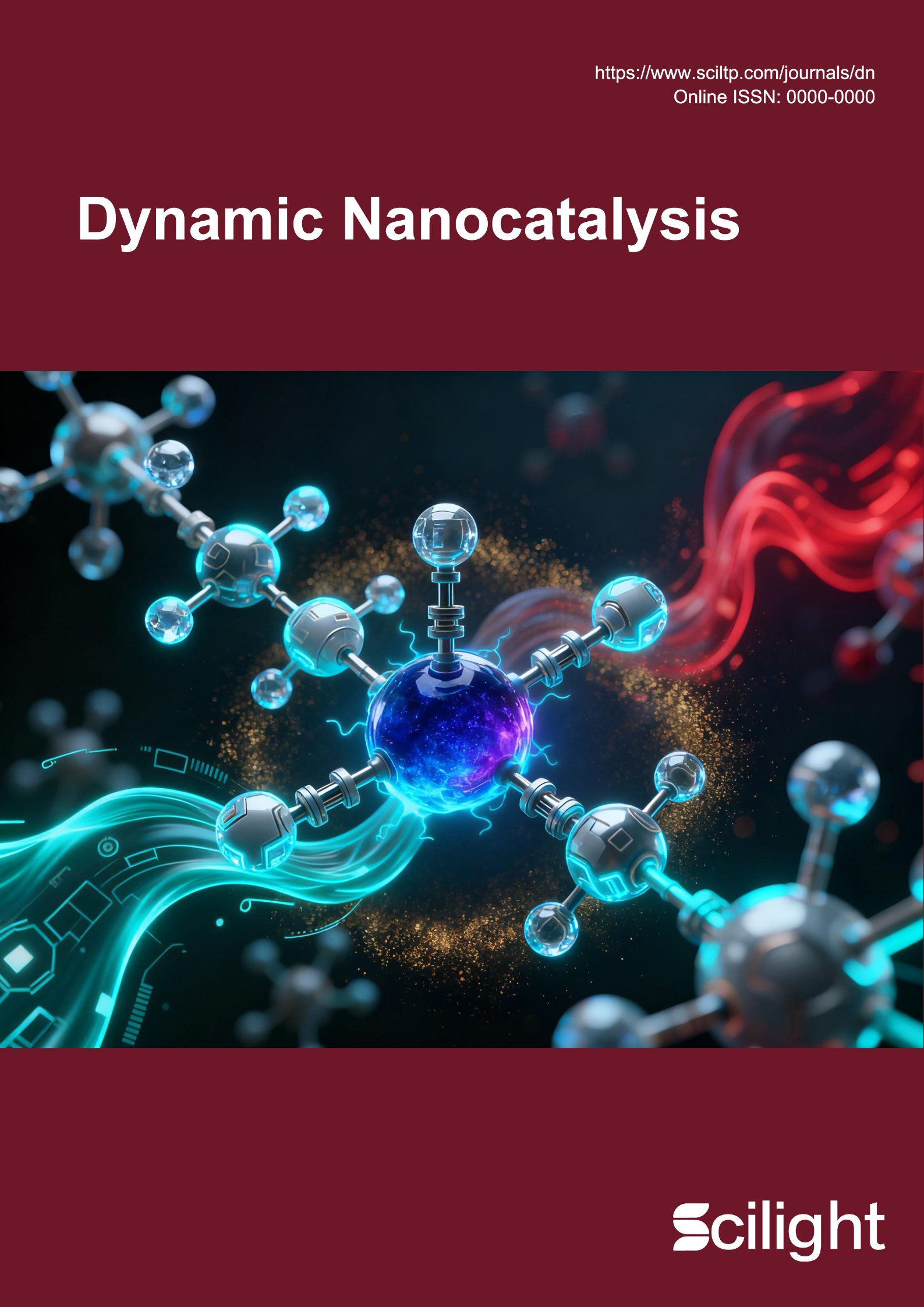
Advances in Dynamic Nanocatalysis
Dear Colleagues, Dynamic processes in nanocatalysis are actively reshaping the frontiers of materials science, energy conversion, and environmental remediation. These advances—spanning real-time catalytic performance, sustainable technology, and mechanistic insights—have garnered increasing attention from both academic and industrial communities. In response, our journal is pleased to launch a Featured Papers Collection, dedicated to capturing foundational and forward-looking research, highlighting the latest progress and inspiring further exploration in the field. We encourage researchers and leading experts in nanocatalysis and related areas to submit original research articles, reviews, perspectives, and letters that reflect the latest progress, showcase innovative methodologies, and demonstrate practical impact. Join us in advancing this rapidly evolving domain by sharing your cutting-edge work.
Dynamic Nanocatalysis
Deadline: 30 Aug 2027
News & Events
More
Scilight Connects with Global Researchers at ICNASA 2025 in Melbourne
27 Nov
Warm Congratulations to Luis M. Liz-Marzán for receiving first Dong Qin ACS Award in Nanochemistry!
05 Nov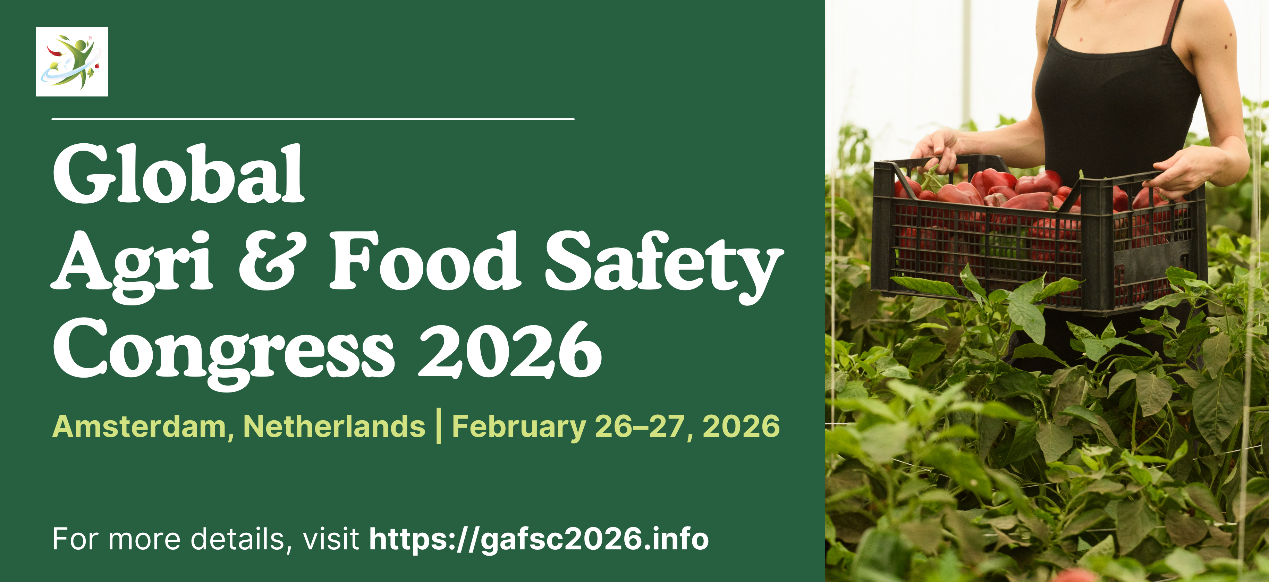
Food as Medicine (FM) Announced as the Official Collaborating Journal of the Global Agri & Food Safety Congress 2026
11 Oct

 Suite 4002 Level 4, 447 Collins Street, Melbourne, Victoria 3000, Australia
 General Inquiries: info@sciltp.com