

Journals
More






















Recommendations
More- All
- Physical Sciences and Engineering
- Life Sciences
- Health Sciences
- Humanity and Social Sciences
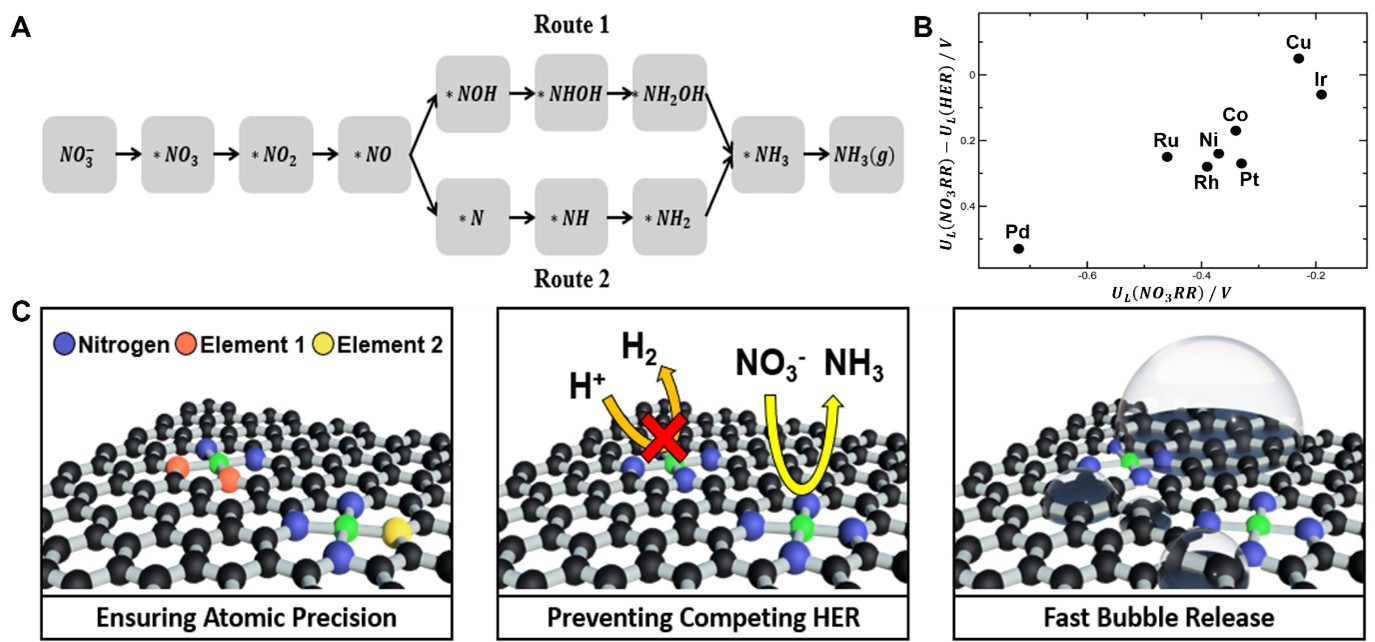
Cu-Based Atomic Catalysts for the Electrochemical Hydrogenation of Nitrate to Ammonia
Hyeong Bin Park, Haneul Jindoi: 10.53941/matsus.2025.100014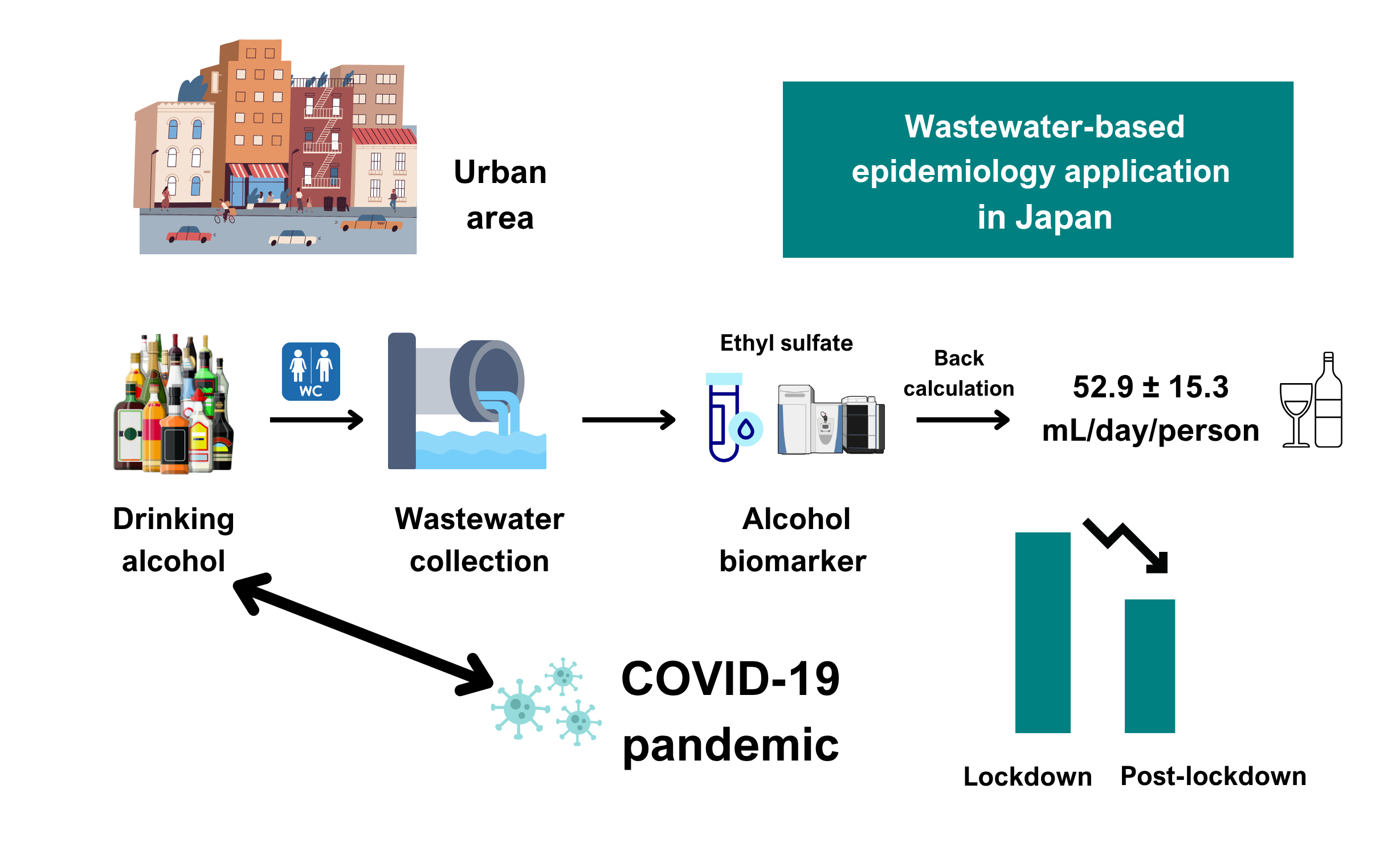
Changes in Alcohol Consumption Behaviour in a Large Population of Japan during the COVID-19 Pandemic
Hieu K. T. Ngo, Quyen Thi Thuy Do, Qiuda Zheng, Otaki Masahiro, Phong K. Thaidoi: 10.53941/ges.2025.100015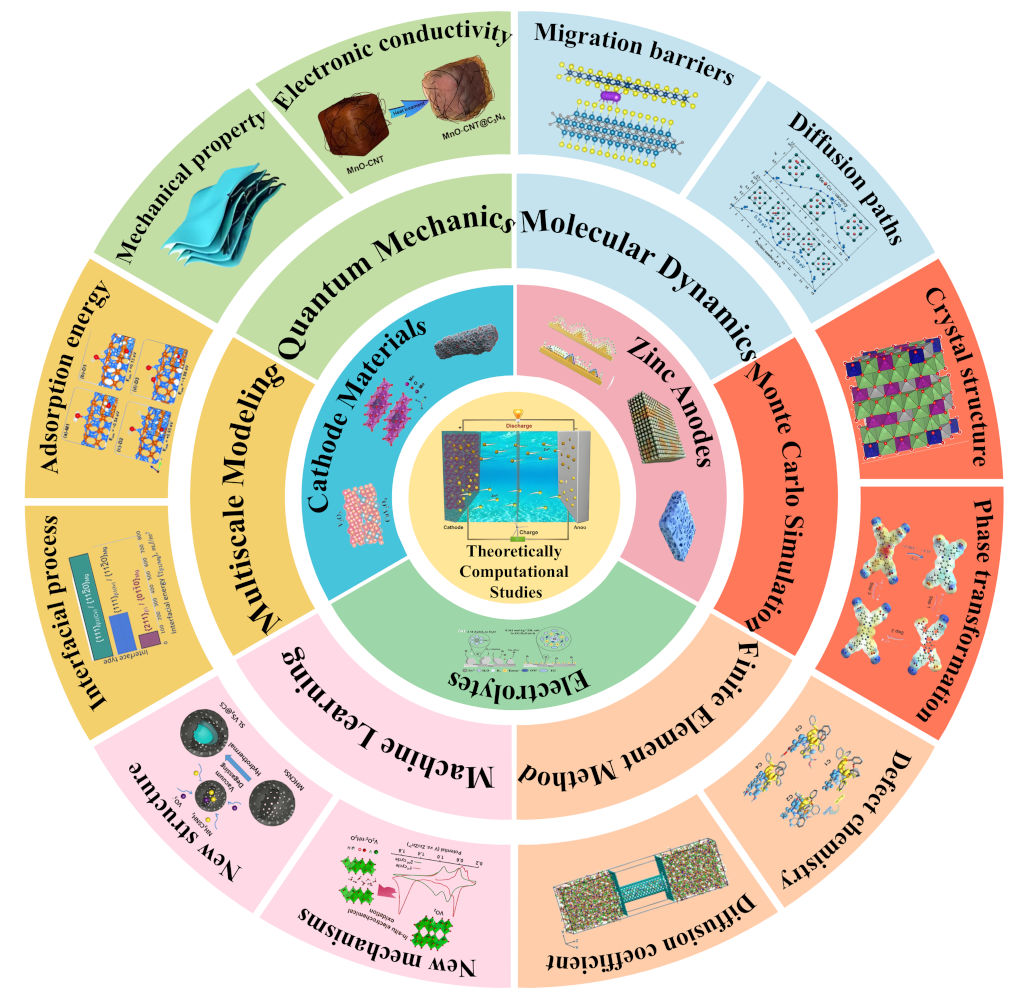
Computational Studies for Aqueous Zinc-Ion Secondary Batteries
Yu Liu, Yiwen Yuan, Rui Wang, Lvhao Duan, Rongguan Lv, Yingna Chang, Huayu Wu, Xiaoli Yan, Rong Xing, Rudolf Holzedoi: 10.53941/sen.2025.100006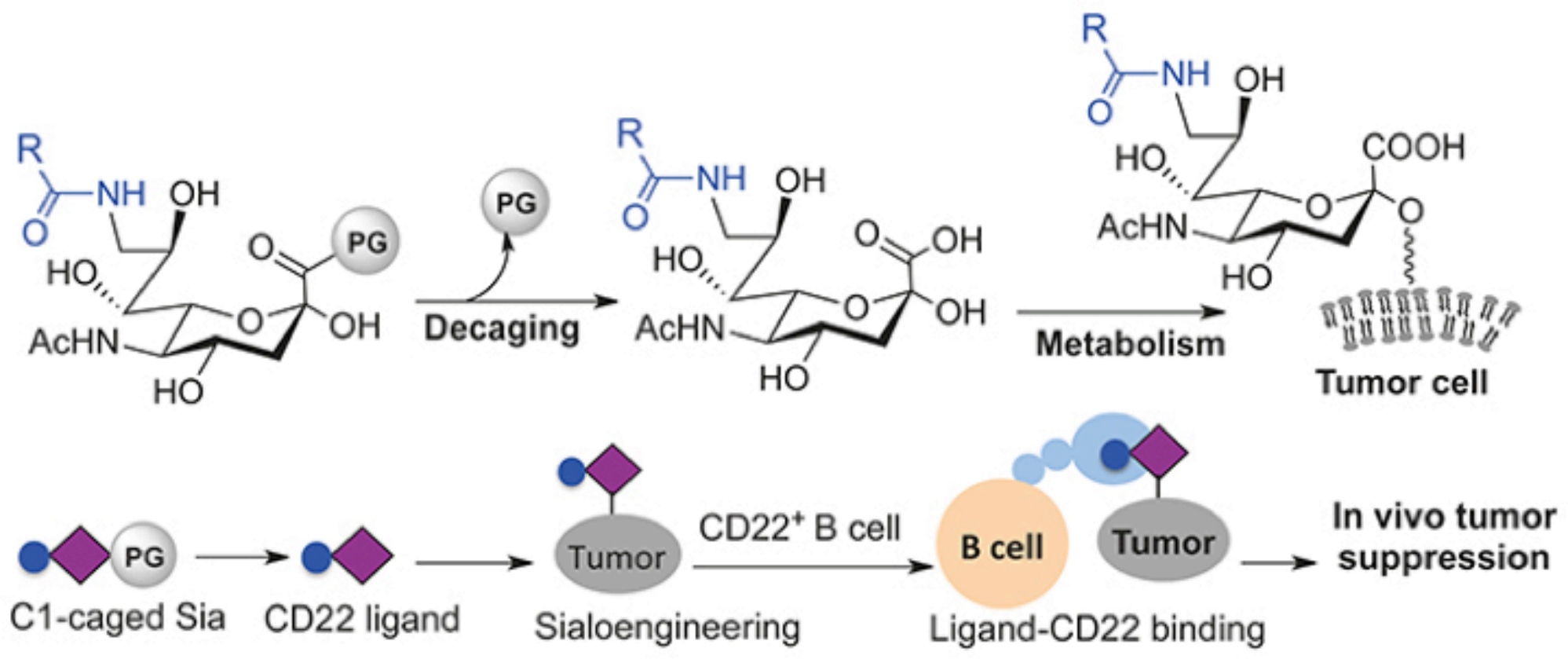 A Sialic Acid-Caged Generic Platform for Sialoengineering of Tumors with Artificial Immuno-LigandShuo Zhang, Huiling Dong, Shixiong Wen, Zejing Lin, Xuanjun Wu, Jiahuai Han, Shoufa Handoi: 10.53941/hm.2025.100023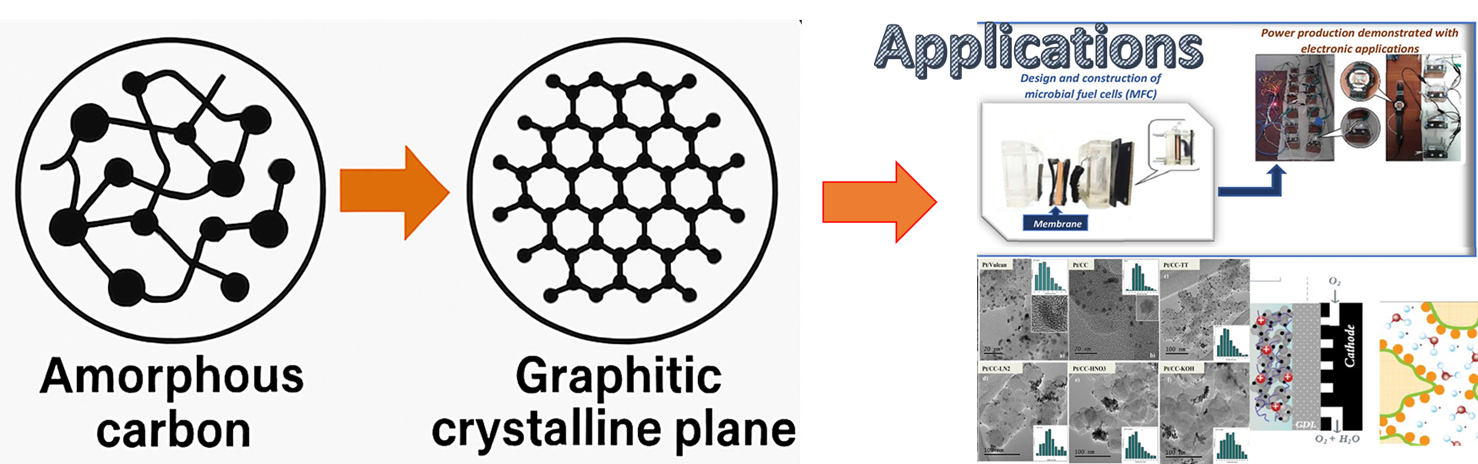
An Overview of the Transition from Amorphous Carbon to an Ordered Graphitic Crystalline Plane for Applications
Adriana Montiel-García, Manoj Kumar Srinivasan, Ignacio Avila Aguilar, Wilgince Apollon, Arun Thirumurugan, Sathish-Kumar Kamarajdoi: 10.53941/matsus.2025.100012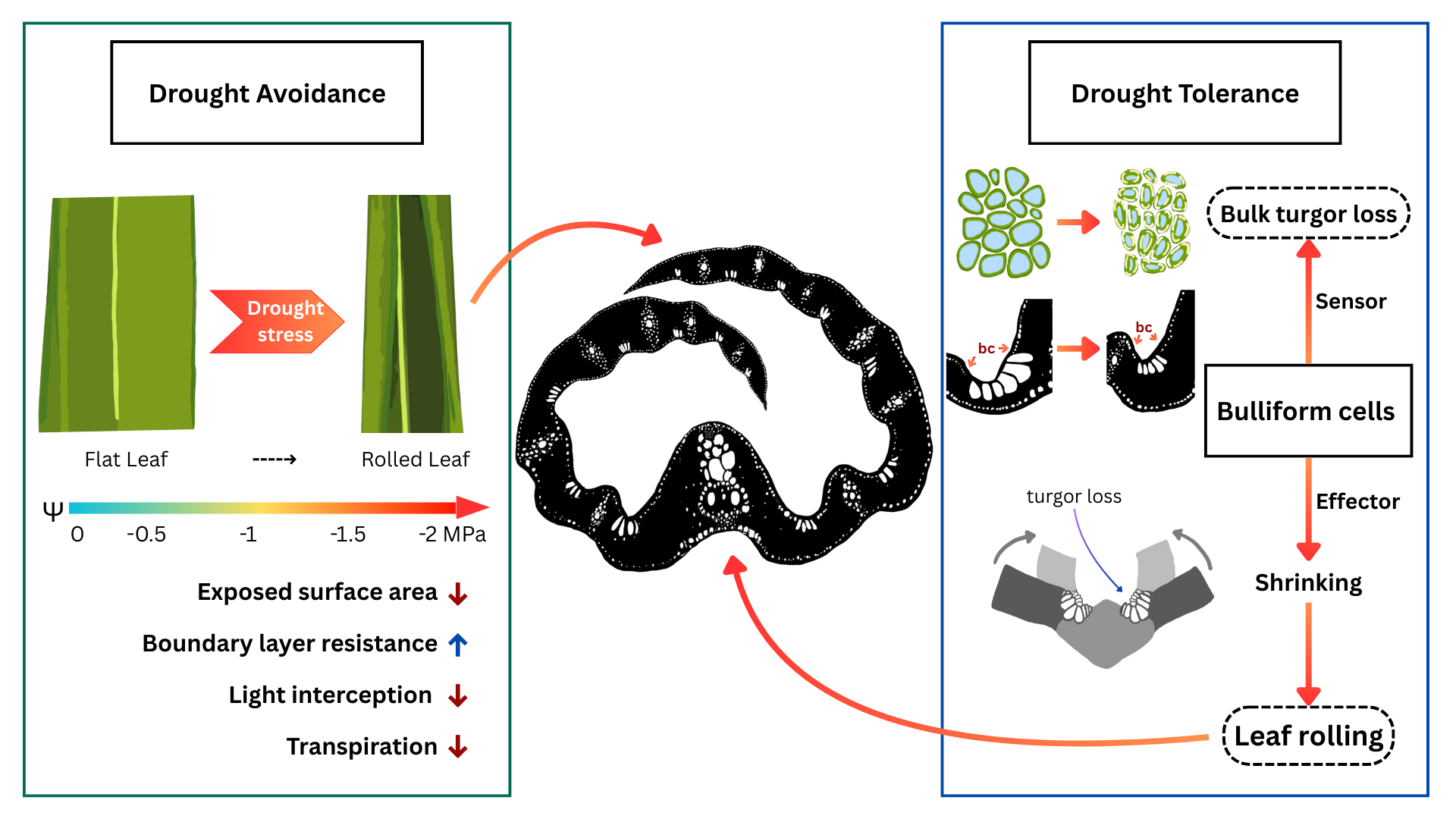
Does Leaf Rolling Serve as a Phenotype Index for Drought Tolerance in Grasses? A Review
Natthamon Chandarak, Xiaoxiao Wang, Shuyuan Liu, Dongliang Xiongdoi: 10.53941/plantecophys.2025.100012
Morphological Transformation of NiCoMoSeOx from Nanosheets to Nanorods for Enhanced Oxygen Evolution
Jianbin Luo, Xiaofei Long, Biao Huang, Lei Huang, Jing Cao, Qingdian Yan, Mao Wu, Ming Zhaodoi: 10.53941/mi.2025.100029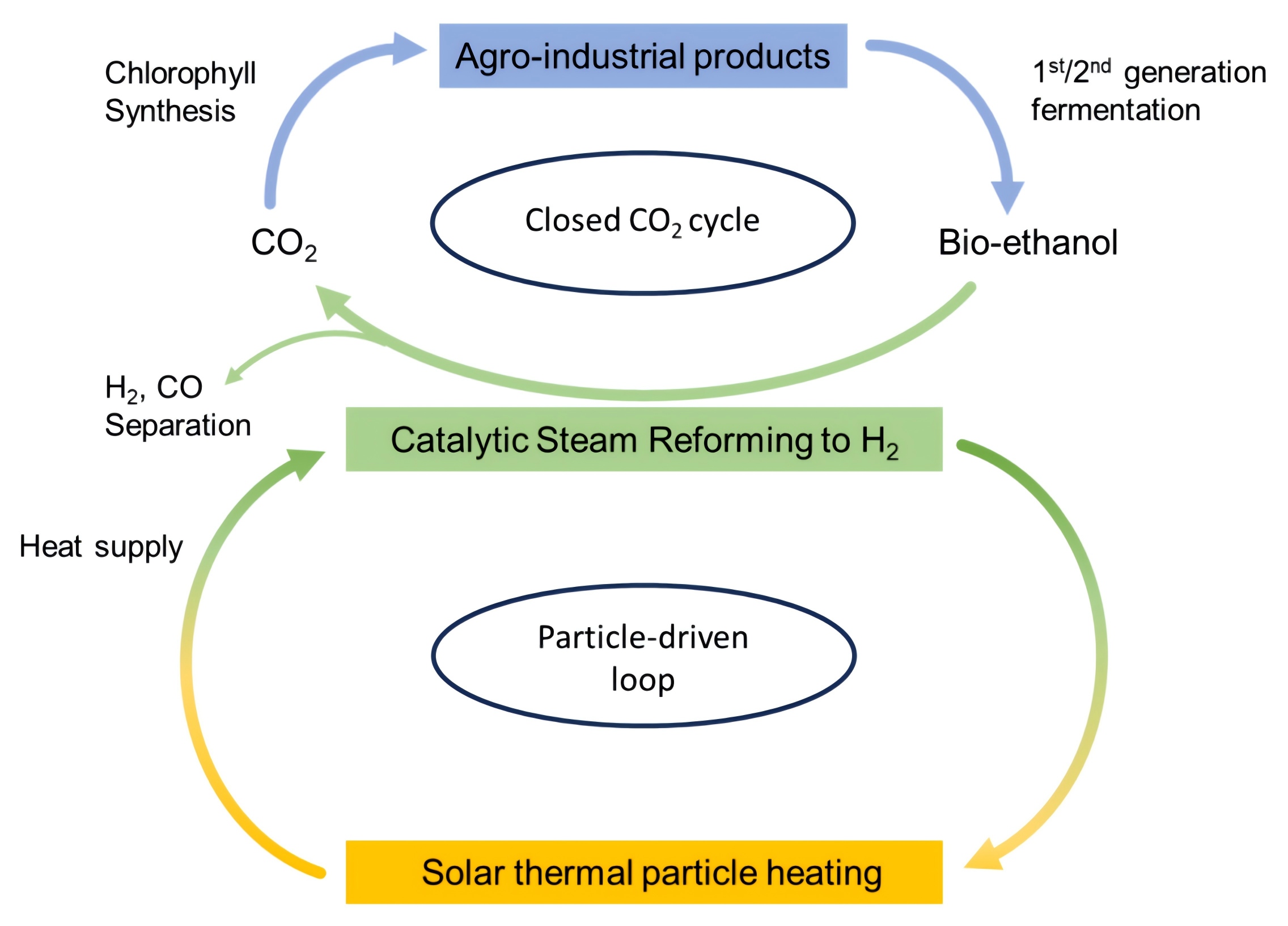
Long-duration Catalytic Steam Reforming of 2nd Generation Bio-Ethanol
Zehao Li, Yilu Wu, Miao Yang, Jan Baeyens, Shuo Li, Huili Zhangdoi: 10.53941/see.2025.100013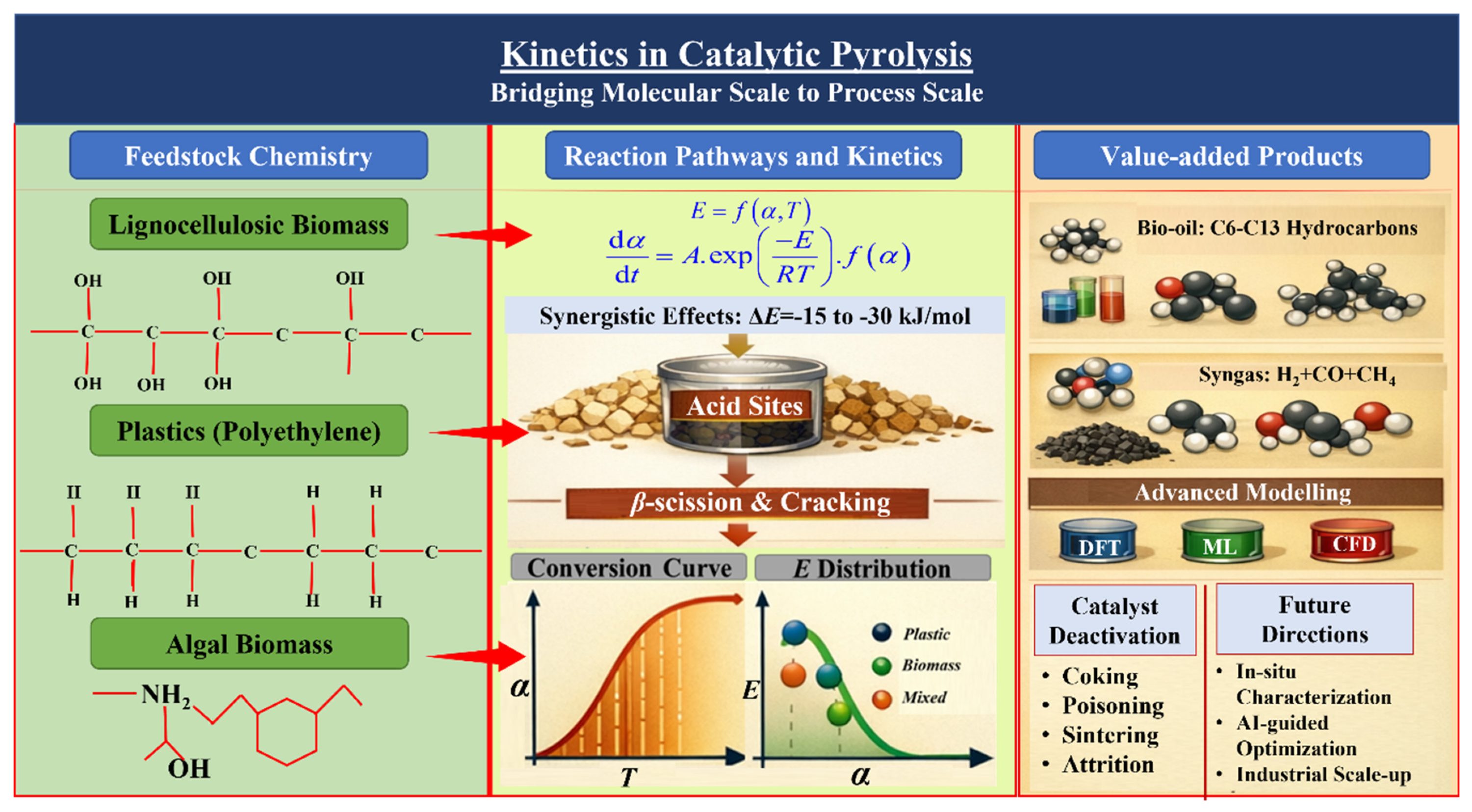
Kinetics for Catalytic Pyrolysis of Organic Solid Wastes
Shri Ram, Yogesh Patil, Fatma Abdelrhman, Tarique Ahmed Memon, Yaning Zhangdoi: 10.53941/gefr.2025.100023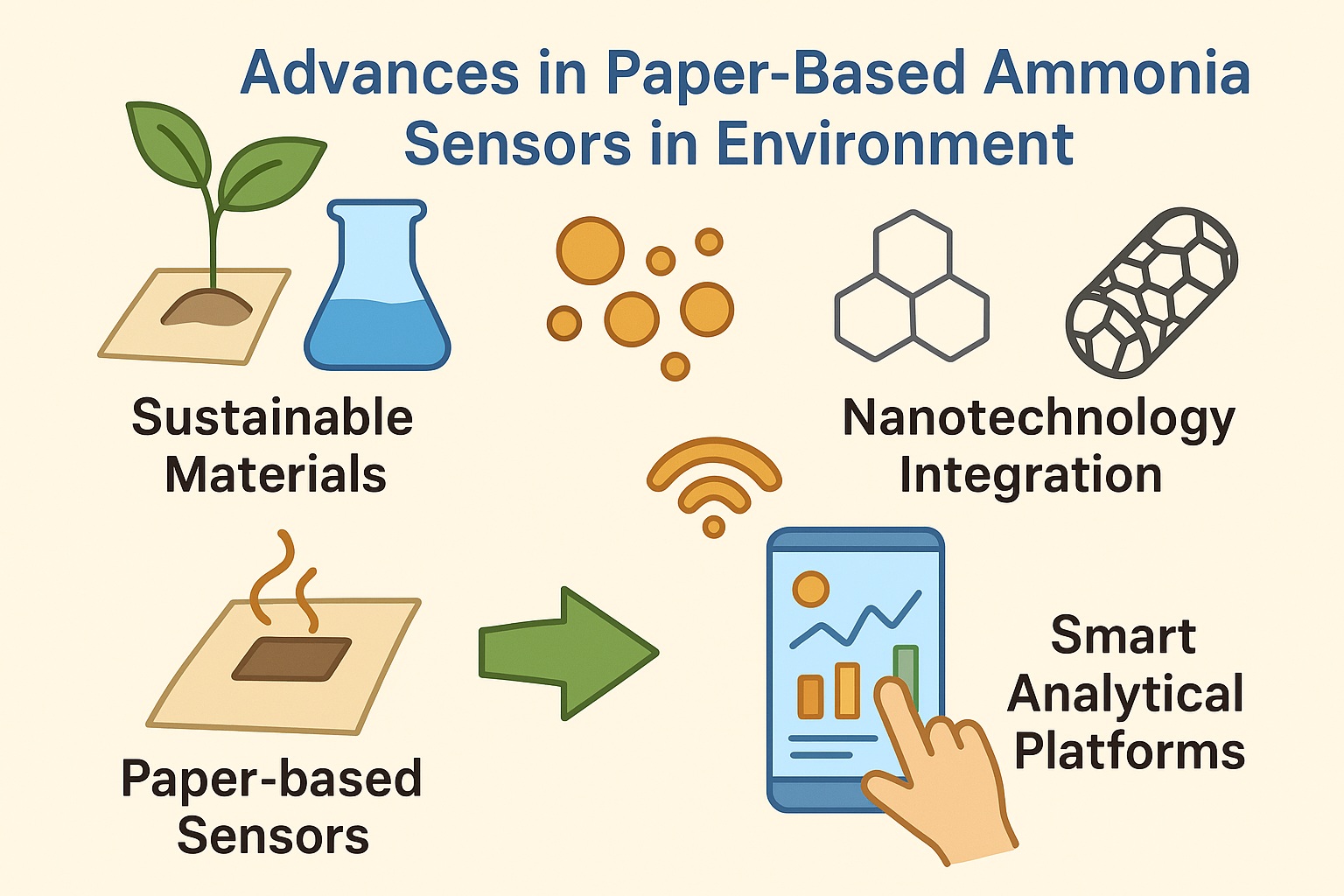
Advances in Paper-Based Ammonia Sensors in Environment: Sustainable Materials, Nanotechnology Integration, and Smart Analytical Platforms
Sharmi Ganguly, Joydip Sengupta, Chaudhery Mustansar Hussaindoi: 10.53941/eesus.2025.100010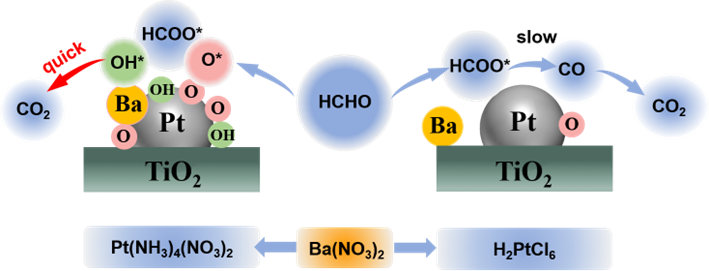 Ba-mediated Pt/TiO2 for Enhanced Low Temperature HCHO Oxidation: the Role of Pt PrecursorChenxuanzhi Ruan, Hongguo Gao, Xuejuan Zhao, Zelin Hua, Shenjie Lv, Shanshan Chen, Licheng Lidoi: 10.53941/see.2025.100002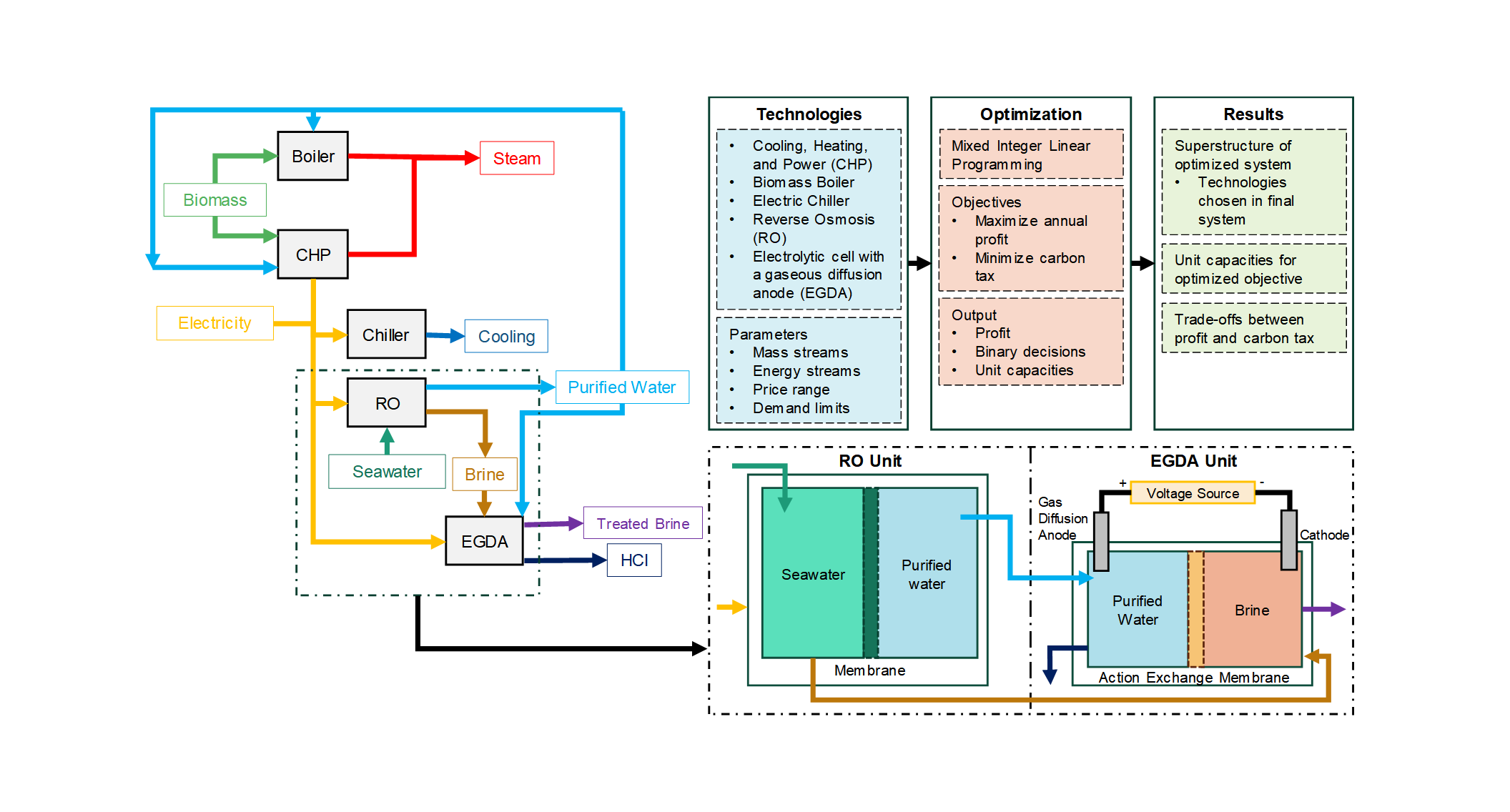
Optimization of a Reverse Osmosis Desalination and Indirect Ocean Capture for a Polygeneration System
Maxine Camille O. Mallari, Aristotle T. Ubandodoi: 10.53941/gefr.2025.100014






Call For Papers
More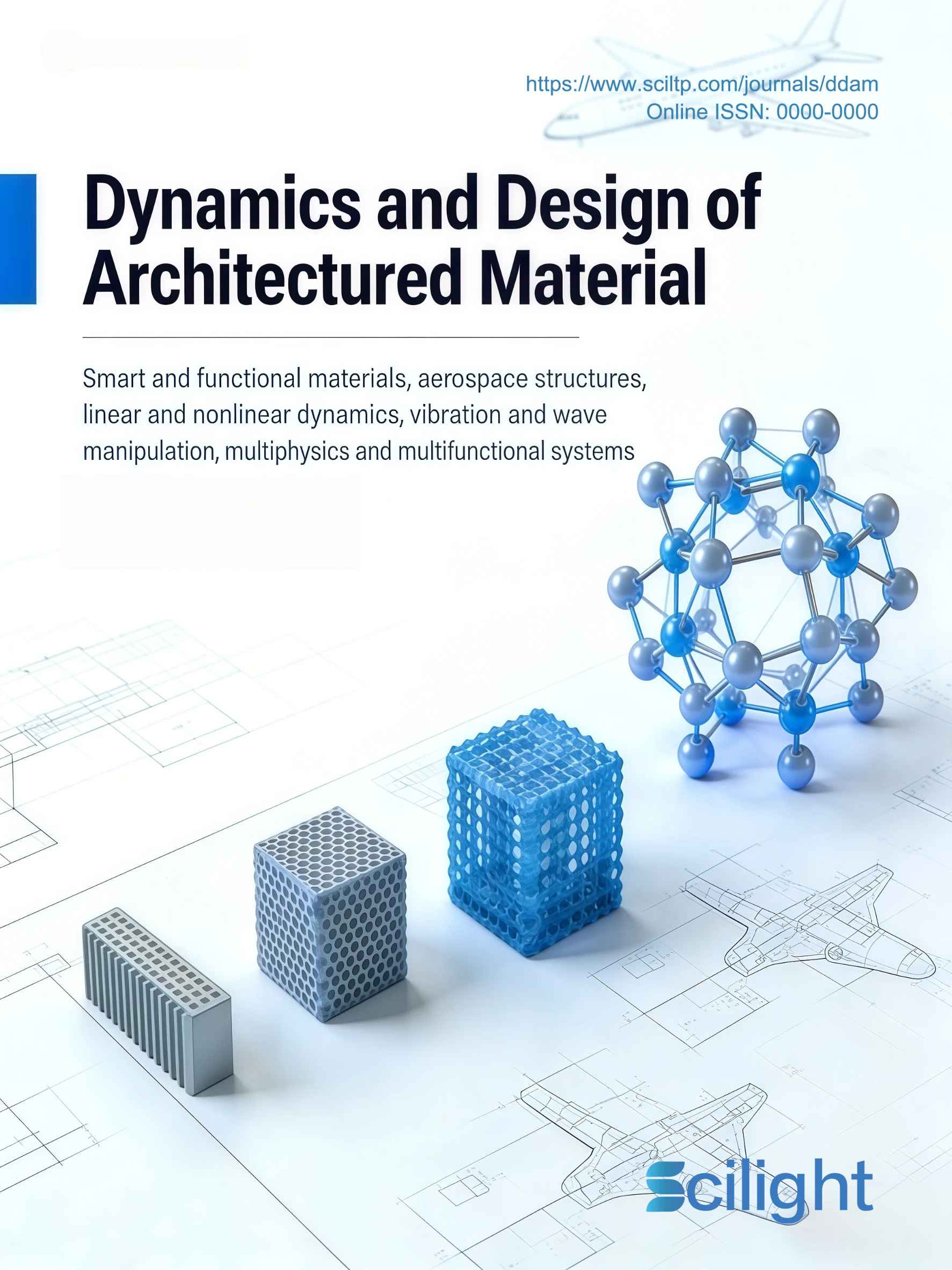
Inaugural Issue of Dynamics and Design of Architectured Materials
Dynamics and Design of Architectured Materials (DDAM) is a new interdisciplinary journal dedicated to publishing high-impact, interdisciplinary research that advances the fundamental understanding and technological innovation in mechanical, civil, and materials engineering. We sincerely invite you to contribute either a research article or a review article or a perspective article to the journal. The Aims and Scope of DDAM are described on https://www.sciltp.com/journals/ddam/aimscope . Submissions that undergo successful peer review and are accepted in time for the Inaugural Issue will be published in September 2026 . This issue marks the official launch of DDAM and offers authors a timely opportunity to be part of a foundational collection of research in the field. Keywords: linear and nonlinear boundary/initial value problems; wave propagation; structural dynamics; fluid mechanics; finite element methods; multiscale methods; smart materials; micro/nanostructured systems; 3D/4D printing ■ Distinguished Editorial Board The journal is guided by an international editorial board of leading experts, ensuring academic excellence and a visionary perspective. Founding board members include: Guoliang Huang – Editor-in-Chief, fellow of the SPIE, fellow of the IAAM, Peking University, China Qian Ma – fellow of the FAPM, fellow of the FASM, RMIT University, Australia Qing Li – ARC Future Fellow, The University of Sydney, Australia Guoxing Lu – Zhejiang University, China Weiqiu Chen – Zhejiang University, China Yuesheng Wang – Tianjin University / Beijing Jiaotong University, China Kadic Muamer – Université Marie et Louis Pasteur, Institut FEMTO-ST, France ■ Key Dates Submission Deadline for Inaugural Issue: July 31, 2026 Inaugural Issue Publication: September 2026 ■ Submission Instructions Authors are invited to submit their manuscripts through our online submission system. Please consult the Instruction for Authors before submission. Article Processing Charges (APCs) are waived before January 2028. Submission Link: https://sciflux.org/authors/submissions Journal Homepage: https://www.sciltp.com/journals/ddam Editorial Office Contact: ddam@sciltp.com We look forward to receiving your contributions. Sincerely, DDAM Editorial Office
Dynamics and Design of Architectured Materials
Deadline: 31 Jul 2026Building Cities and Communities with Resilience and Coexisting with Safety
Against the backdrop of intensifying global climate change and frequent extreme disasters, urban safety and disaster preparedness face severe challenges. Resilient cities and communities, a new paradigm integrating disaster prevention and mitigation, ecological sustainability, and intelligent governance, have become a key direction for the resilient, sustainable and inclusive urbanization, while ensuring citizens’ safety and health. This issue, focusing on " Building Cities and Communities with resilience and Coexisting with Safety ", aims to pool expertise from the urban construction industry, promote theoretical breakthroughs and practical innovations in resilience planning, disaster risk assessment, engineering disaster prevention and mitigation, and intelligent early warning, and contribute scientific solutions and policy pathways to enhance urban resilience and safeguard public safety. The issue aims to cover topics that include, but are not limited to, the following topics: Resilient urban and rural planning and design Improving community disaster resilience Extreme climate adaptation strategies Multi-hazard coupled risk assessment Ecological space and disaster prevention coordination Intelligent disaster monitoring and early warning technology Urban infrastructure disaster resilience Civil engineering structure seismic resistance and reinforcement technology New disaster prevention materials and structures Blast and impact resistance of engineering structures Interdisciplinary resilience governance mechanism Academic Editors Prof. Dr. Guofang Zhai ( guofang_zhai@nju.edu.cn ) School of Architecture and Urban Planning, Nanjing University, Nanjing 210093, China Dr. Yangli Li ( liyangli@tju.edu.cn ) School of Civil Engineering and Architecture, Southwest University of Science and Technology, Mianyang 621000, China Associate Prof. Dr. Yijun Shi ( yijun_shi@zafu.edu.cn ) College of Landscape Architecture, Zhejiang A&F University, Hangzhou 311300, China Associate Prof. Dr. Wei Zhai ( wei.zhai@utsa.edu ) College of Architecture, Planning, and Public Affairs, University of Texas at Arlington, Arlington, TX 76019, USA Associate Prof. Dr. Meng Meng ( mmeng@scut.edu.cn ) Department of Urban Planning, South China University of Technology, Guangzhou 510641, China Submission Guideline To submit your manuscript, please go to Urban and Building Science journal website at (https://www.sciltp.com/journals/ubs) and follow the procedures for manuscript submission. Author Submission Guidelines can be found at: https://www.sciltp.com/journals/ubs/instructionForAuthors There is N o Article Processing Charge for all submissions and accepted papers. All manuscripts will be peer-reviewed following the established policies and procedures of the journal. The final papers will be selected for publication depending on the results of the peer-review process and the reviews of the Academic Editors and Editor-in-Chief.
Urban and Building Science
Deadline: 31 Jan 2026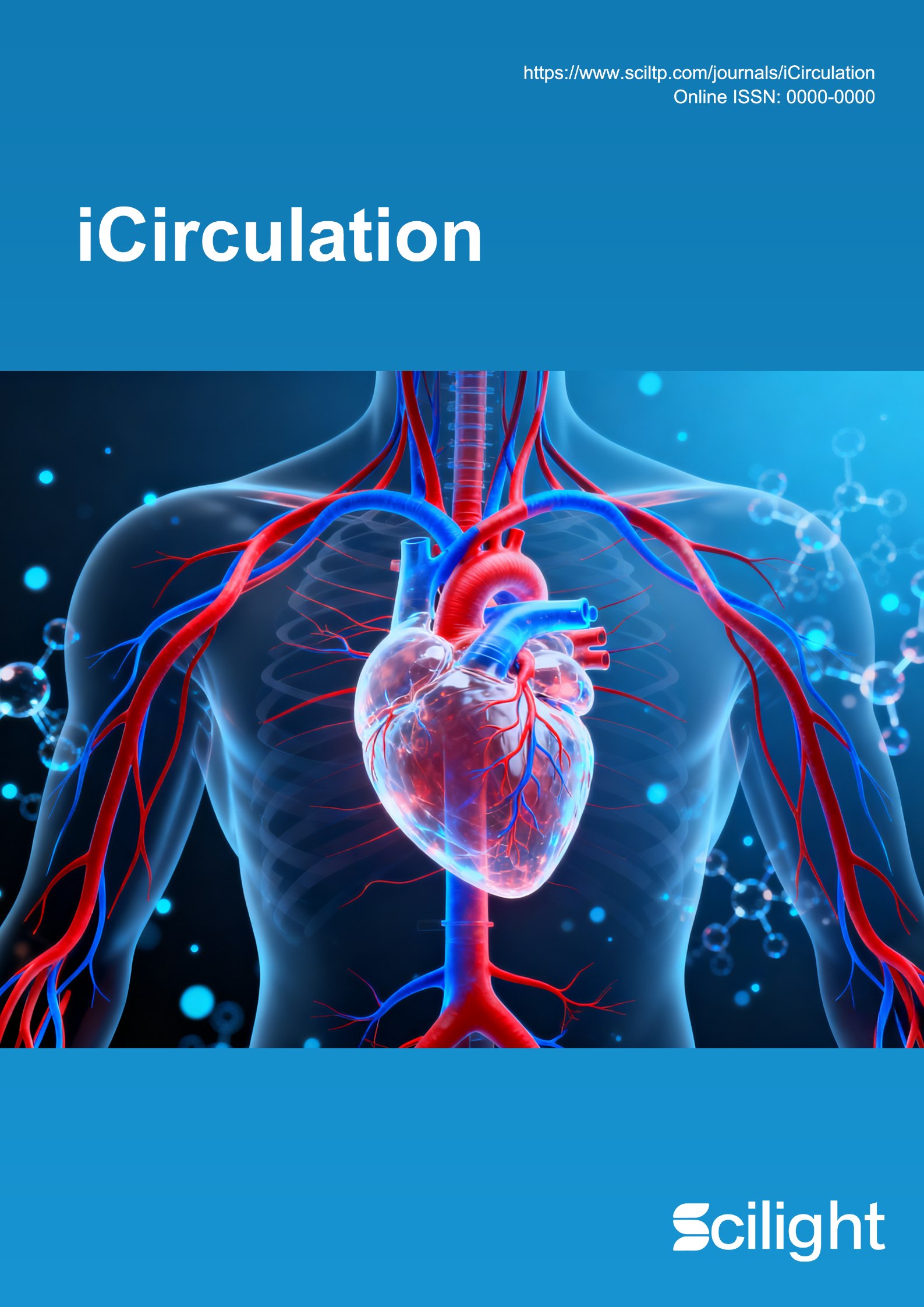
Inaugural Issue of iCirculation
iCirculation is a leading scientific forum for publishing transformative cardiovascular research that bridges foundational discovery, clinical innovation, and global population health. The journal aims to advance cardiovascular medicine by disseminating high-impact original work that shapes research paradigms, clinical practice, and public health policy. Reviews that reflect new advances of a particular area in the cardiovascular system and diseases are also welcome. The Aims and Scope of iCirculation are described on https://www.sciltp.com/journals/iCirculation/aimscope . If the submission is accepted following the peer review within the time frame of the publication of the Inaugural Issue, it will be included in the Inaugural Issue , to be published in March 2026 . ■ Distinguished Editorial Board The journal is guided by an international editorial board of leading cardiovascular experts, ensuring academic excellence and a visionary perspective. Founding board members include: Guo-Wei He – Editor-in-Chief, Academician of The National Academy of Medicine, France Gianni D. Angelini – Fellow of the Academy of Medical Sciences, UK Charalambos Antoniades – Fellow of the Academy of Medical Sciences, UK Wolfgang F. Graier – Member of the Academia Europaea Mario Gaudino – Expert of Weill Cornell Medicine, USA Daniel Loisance – Academician, Member of The National Academy of Medicine, France Arthur Weston – Fellow of the Academy of Medical Sciences, UK ■ Key Dates Submission Deadline for Inaugural Issue: January 31, 2026 Inaugural Issue Publication: March 2026 ■ Submission Instructions Authors are invited to submit their manuscripts through our online submission system. Please consult the Instruction for Authors before submission. Submission Link: https://sciflux.org/authors/submissions Journal Homepage: https://www.sciltp.com/journals/iCirculation Editorial Office Contact: iCirculation@sciltp.com Join iCirculation and contribute to shaping the future of cardiovascular research. Sincerely, iCirculation Editorial Office
iCirculation
Deadline: 31 Jan 2026
News & Events
More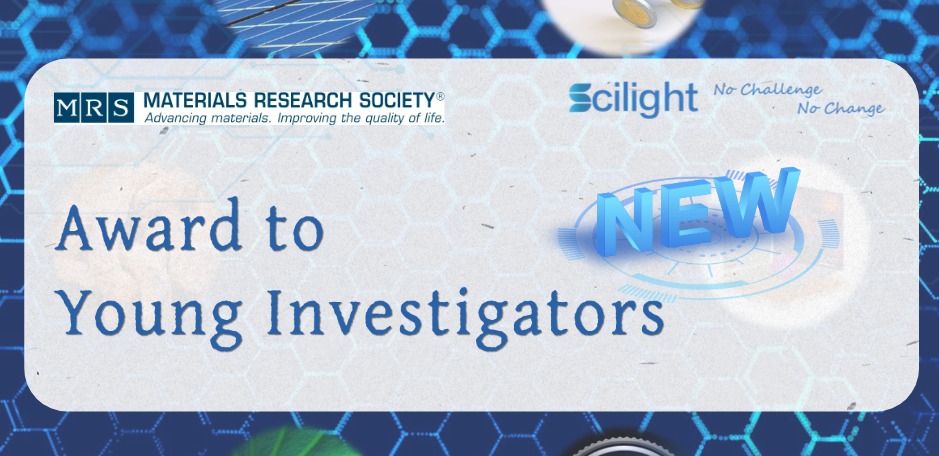
Materials and Interfaces Announces Outstanding Presentations by Young Investigators Award and Best Poster Award at 2025 MRS Fall Meeting
04 Jan
Scilight Connects with Global Researchers at ICNASA 2025 in Melbourne
27 Nov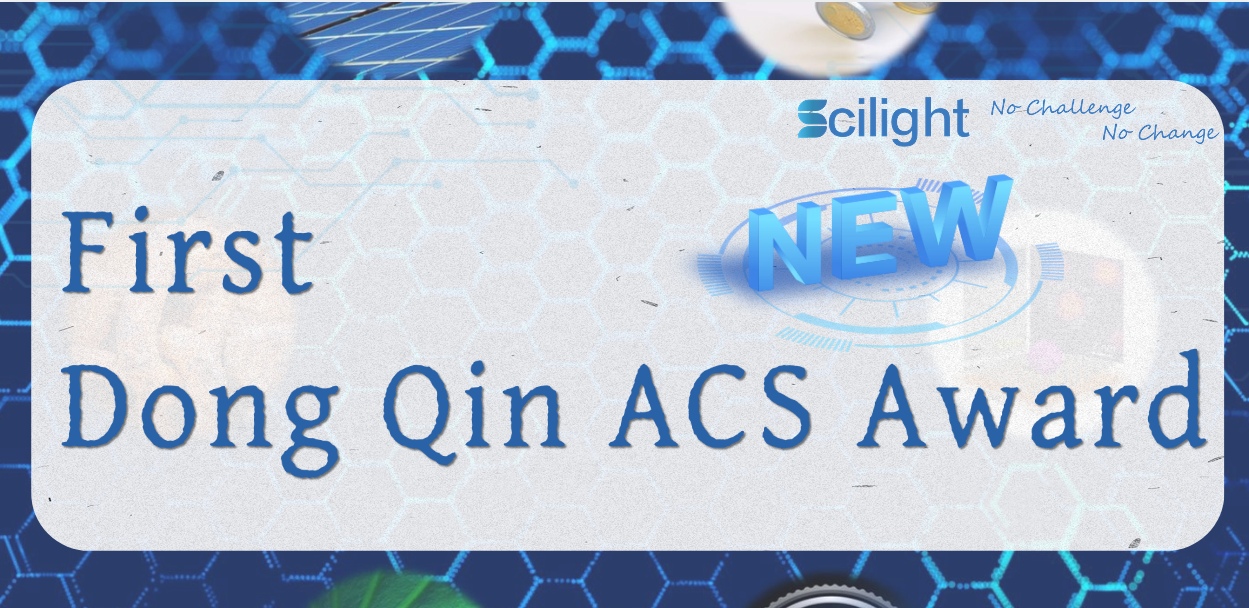
Warm Congratulations to Luis M. Liz-Marzán for receiving first Dong Qin ACS Award in Nanochemistry!
05 Nov

 Suite 4002 Level 4, 447 Collins Street, Melbourne, Victoria 3000, Australia
 General Inquiries: info@sciltp.com